




This Content Is Only For Subscribers
One of the easiest ways for a small landlord to create a future headache is to rely on memory. A conversation feels perfectly clear when it happens. Three weeks later, you and the tenant may remember it very differently.
You can still be friendly and easy to reach. You can still take phone calls. The important part is knowing which conversations need a written record afterward. Late rent, repair requests, access, lease issues, promises, and move out discussions should not live only in somebody’s memory.
Welcome back to “Ask a Property Manager.” Today we are looking at what is worth documenting every time you talk to a tenant.
The Problem with the Phone Call
Phone calls are useful because they let you hear the tenant out and solve small misunderstandings quickly. The problem is that a phone call leaves very little behind once it ends.
Say a tenant in San Antonio calls and says rent will be a few days late because of an unexpected car repair. You agree to a payment date and move on with your day. At the time, both of you think the conversation was clear.
If the payment does not arrive and the dates become disputed later, the problem is no longer what either person meant. The problem is what can be shown. A short written recap gives both sides the same reference point and helps keep the next conversation factual.
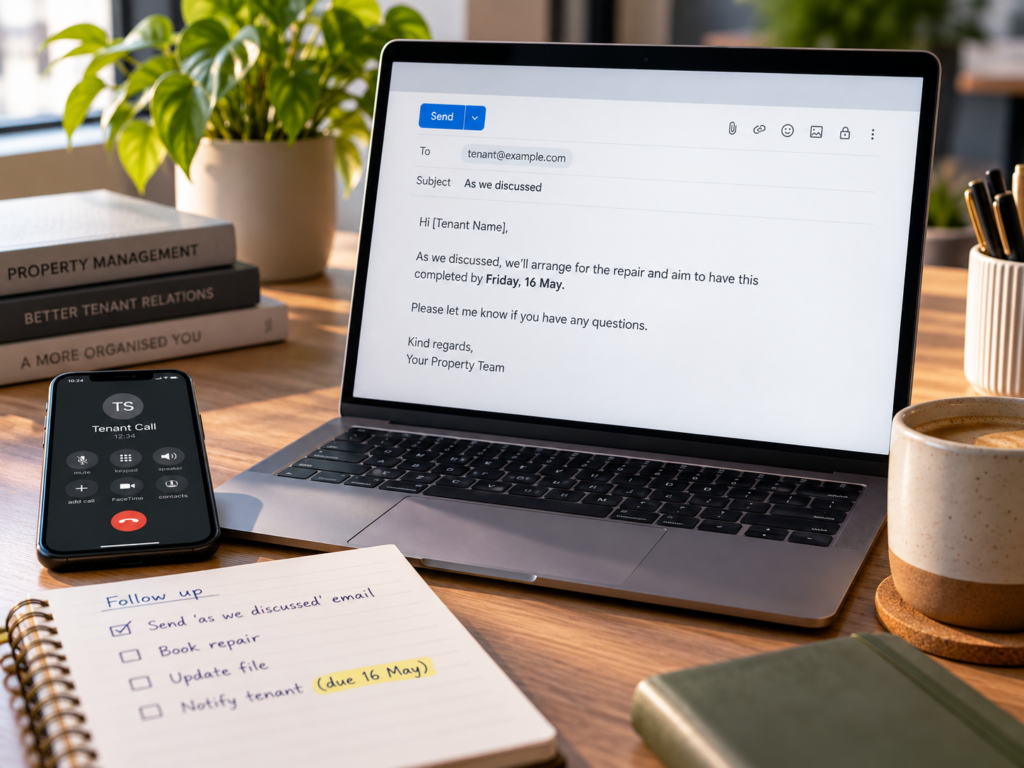
The “As We Discussed” Email
You do not have to stop taking calls. Just get in the habit of sending a short follow up email or portal message after any conversation that changes a deadline, confirms a repair plan, discusses a lease issue, or creates an agreement you may need to reference later.
The message does not need to sound legal or stiff. Something as simple as, “As we discussed on the phone today, here is what we agreed to,” is usually enough to start the recap.
For example: “As we discussed today, the remaining rent balance is due by Friday at 5:00 PM. Any charges will be handled according to the lease. Please reply if I missed anything from our conversation.”
That kind of message does two things. It gives the tenant a chance to correct a misunderstanding right away, and it gives you a dated record you can find later without trying to reconstruct the conversation from memory.
Documenting Maintenance Requests
Maintenance is another area where written records matter. A tenant may mention that the AC is not cooling well while you are at the property for something completely different. In a San Antonio summer, that is not something you want living in the back of your mind for three days.
If a tenant reports a repair by phone or in person, put it into your normal written system. You can ask the tenant to submit it through the portal, or you can send the recap yourself and create the work order. What matters is that the problem, the date reported, and the next step are recorded.
That record helps everyone. The tenant knows the request was received, you know when the clock started, and the vendor has a clearer description of what they are walking into.
The Move In and Move Out Records
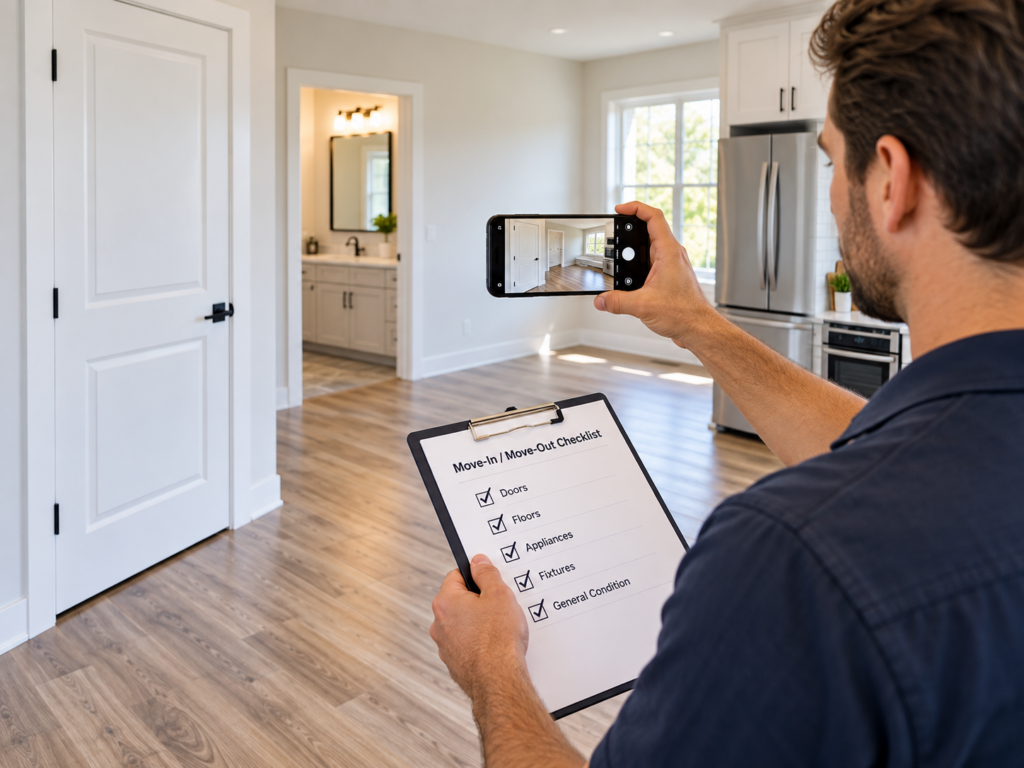
The other major documentation points are move in and move out. Those two days are where photographs are worth far more than anyone thinks they are at the time.
Take clear, dated photos before the tenant moves in. Open cabinets. Photograph appliances, floors, doors, walls, blinds, exterior areas, and anything that could later become a question. Do not rely on ten wide angle room photos to tell the whole story.
Do the same thing after move out. If there is damage beyond normal wear, you want a clear before and after record. It is much easier to discuss a damaged door, stained carpet, or broken blind when both sides can see what the property looked like at the beginning of the lease.
Building the Habit
Documentation can feel like extra work until the first time you need it. The goal is not to create a file cabinet full of paperwork. The goal is to keep a simple, reliable record of the conversations and property conditions that actually matter. That habit saves a lot of arguing later.