




A landlord with one house can get away with a surprisingly loose system for a while. One rent payment, one tenant, and a few repair calls do not create much administrative pressure. By the time you own three, four, or five rentals, that changes. A text thread can disappear. A receipt can end up in the wrong folder. A maintenance request can sit unanswered because you thought you already handled it. Small portfolios do not need enterprise software, but they do need a basic digital system that keeps routine work from living in your head.
Welcome back to Rental Technology. For San Antonio and South Texas landlords, the goal is not to buy more software. It is to create a simple setup that handles the work you repeat every month: collecting rent, separating tenant communication from your personal life, tracking maintenance, and keeping the books organized. If those four pieces are dependable, a small portfolio can run very smoothly without an expensive management platform.
Start with Rent Collection
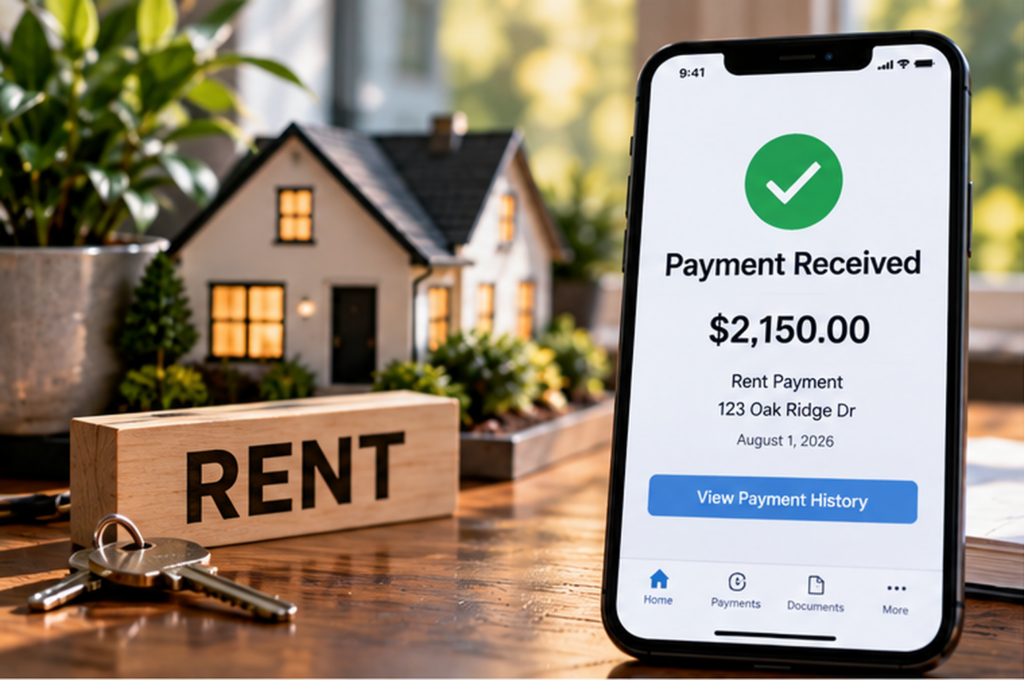
The first piece is online rent collection. Checks and cash create extra handling, make recordkeeping harder, and can leave you piecing together payment history later. A better system lets the tenant pay electronically, keeps a transaction record, and gives both sides a clear view of what was paid and when.
For a one to five property portfolio, a simple rental platform may be enough. Zillow Rental Manager, Stessa, and other landlord focused services offer online payment options, while many broader property management platforms include payments as part of a larger package. The exact platform matters less than the process. Pick one payment channel, connect it to the proper rental bank account, and use it consistently. If your lease includes late fees, make sure any automated reminders or charges match the lease and your normal collection policy rather than assuming the software should decide for you.
Create a Separate Communication Channel
The second piece is a business communication channel. Your tenant may still reach you on the same physical phone, but that does not mean the rental business should share your personal number, personal voicemail, and personal text history.
A virtual number such as Google Voice or another business phone service can give you a separate line that rings on your existing device. That makes it easier to use a professional greeting, keep rental conversations together, and manage when routine calls reach you. Google Voice can also manage call availability around working hours when it is configured with the appropriate settings. Emergency instructions still need to be clear. A tenant with a fire, gas smell, or immediate life safety issue should not be waiting for a voicemail callback.
Use a Structured Maintenance Intake
Maintenance is where small portfolios usually become messy first. A tenant texts, you answer, a vendor calls, and two weeks later you are trying to remember whether the work was actually finished. That is especially common during a San Antonio summer when AC calls, irrigation problems, plumbing issues, and storm related repairs can arrive close together.
At the simplest level, a Google Form or similar online form can work well. Ask for the property address, a description of the problem, photos when useful, the best contact information, and any access details you normally collect. The form should not ask a tenant to decide whether something is legally an emergency. It should simply gather enough information for you to triage the request quickly.
Send the responses to a private spreadsheet or task board so every request has a timestamp and a status. Add columns for the vendor, appointment date, estimated cost, completion date, and follow up. For landlords with homes spread between San Antonio, Schertz, New Braunfels, Seguin, or other nearby markets, that simple log is much more reliable than trying to remember which plumber was going where.

Keep a Real Financial Ledger
The fourth piece is accounting. A bank balance tells you how much cash is in the account. It does not tell you which property is actually performing well, which repair belongs to which house, or whether a large purchase should be reviewed differently at tax time.
A disciplined spreadsheet can still work for a very small portfolio, but it has to be updated consistently. Rental focused tools such as Stessa can import bank transactions and let you assign income and expenses to a property. Other landlords may prefer general accounting software. Whatever you use, keep the rental account separate, categorize transactions regularly, and save the supporting receipt or invoice with the property record instead of assuming the bank feed is enough.
This is the minimum digital setup I would want before adding another property: one rent collection method, one business communication channel, one maintenance intake process, and one financial ledger. None of it has to be fancy. The value comes from knowing where information goes before the next AC outage, renewal question, or repair invoice arrives. In a small San Antonio or South Texas portfolio, a simple system used every week will beat an expensive system used halfway.