



This Content Is Only For Subscribers
One of the most expensive things a landlord can hear is, “I noticed that a while ago, but I did not want to bother you.” A tenant may think they are being considerate. Meanwhile, a small plumbing leak, a roof stain, or an HVAC drainage problem has been getting worse behind a wall or under a cabinet.
Welcome back to Maintenance Matters. Tenants do not need to become property inspectors, but they should know which warning signs deserve a same day message. For San Antonio and South Texas landlords, a short reporting guide can be especially helpful because heat, mineral buildup, plumbing leaks, storms, and long cooling seasons all create problems that are easier to fix early.
Give Them a One Page Guide
Do not bury maintenance reporting instructions in a long lease packet and assume the tenant will remember them six months later. Give them a simple one page reference at move in and explain it in person. The language should be plain. Tell them what to report, how to report it, and what to do if there is an immediate emergency.
The goal is not to make tenants nervous about every sound in the house. It is to remove the fear that they are bothering you. A tenant who reports a small problem early is usually saving you money.
Water and Moisture
Any unexplained water deserves attention. Tenants should report moisture under a sink, a toilet that continues running, a faucet that will not stop dripping, water around a water heater, a ceiling stain, or damp flooring. In South Texas, also ask them to report water near the indoor HVAC equipment or a clogged condensate drain, especially during the long cooling season.
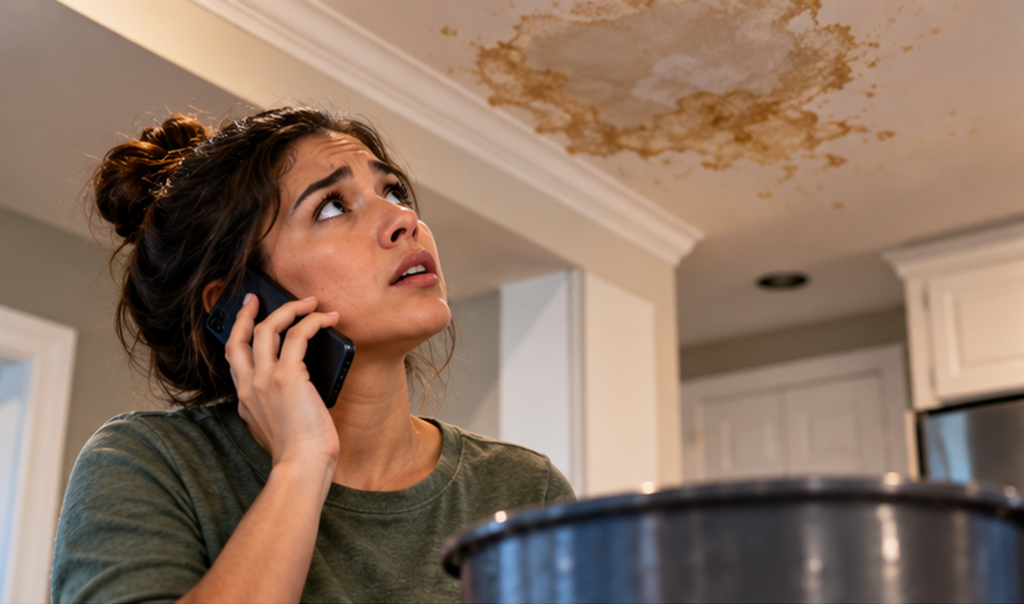
Ceiling discoloration matters even when nothing is dripping yet. It may come from an older stain, but it can also mean a roof leak, plumbing leak, or air conditioning drainage problem. The landlord should be the one to decide whether it needs investigation.
Also ask tenants to report sudden drops in water pressure, toilets that refill constantly, or new mineral staining around a valve or fixture. Hard water deposits are common in many parts of the region, and while scale by itself is not an emergency, a new wet spot or active seep around that buildup is worth checking before it becomes cabinet or wall damage.
Doors, Cracks, and Drainage Changes
Tenants should also report changes that appear suddenly. A door that begins sticking, a deadbolt that no longer lines up, a new crack that grows noticeably, or water collecting near the house after a storm can all justify a closer look. None of those signs automatically proves a foundation problem, but a record of when the change appeared gives you something useful to compare over time.
In areas that move between drought and heavy rain, drainage and soil conditions can change quickly. If a tenant sees a broken sprinkler head flooding one area, a downspout dumping water against the slab, or erosion developing near the house, you want to know before the next storm.
Electrical and Safety Problems
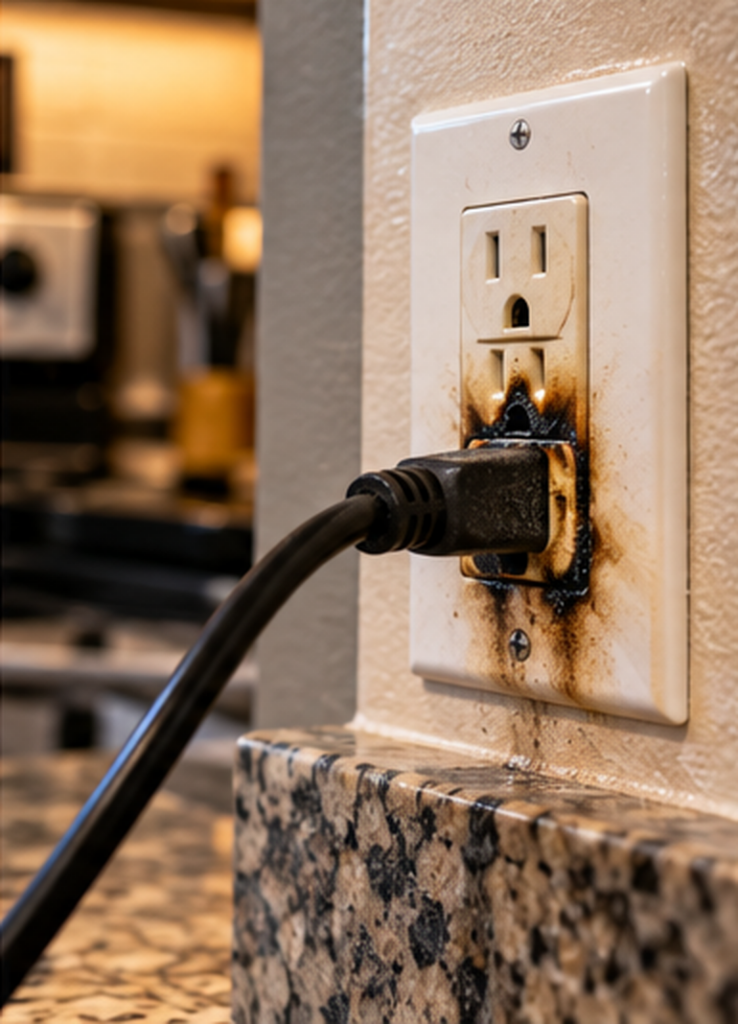
Some reports should never wait for the next business day. Sparking outlets, a persistent burning smell, repeated breaker trips during ordinary use, smoke detector problems, or signs of overheating should be reported immediately. Tell the tenant not to remove electrical covers or attempt repairs themselves. These are situations for the appropriate licensed professional.
The same goes for gas odors, active flooding, fire, or another immediate threat. Your move in instructions should clearly separate normal maintenance reporting from true emergencies and should tell the tenant when to contact emergency services or the utility first.
Make Reporting Easy
The best reporting system is the one the tenant will actually use. Give them one phone number, portal, or email address for routine maintenance and a clear emergency instruction for urgent conditions. Then say the part many tenants need to hear: please tell me when something changes. Ten early messages are easier to manage than one repair that has been quietly growing for three months.