




A lease does not become stronger just because every sentence sounds like it belongs in a courtroom. If a tenant has to stop and translate a rule before they know what to do, the landlord may spend the rest of the tenancy explaining what the clause was supposed to mean.
For San Antonio and South Texas landlords, plain English is especially useful because many of the issues that create friction are practical ones. Lawn care, air conditioning, water leaks, pets, parking, utilities, and access all sound simple until the lease leaves two people with different ideas about the same responsibility.
Plain English does not mean casual language. It does not mean stripping out protections or rewriting statutory language that belongs in a Texas lease. It means making your own rules clear enough that a reasonable tenant can understand the action required, the timing, and the process for complying.

Start With the Action
Most confusing lease clauses describe a general expectation instead of an actual task.
Take the phrase, “Tenant shall maintain the premises in good condition.” That sounds responsible, but it does not tell the tenant whether they must change air filters, mow the lawn, report a dripping toilet, keep irrigation running, or avoid pouring grease into the kitchen drain.
When you add a custom rule, start with the action. Who is responsible? What exactly must they do? When must they do it? How should they report a problem?
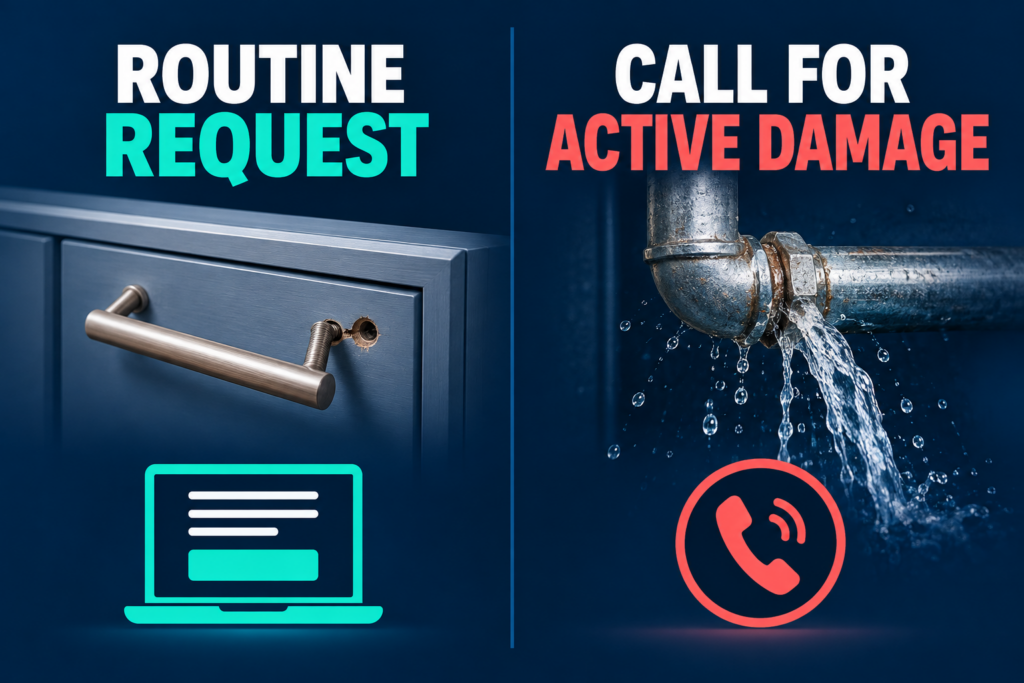
A lawn clause is much easier to follow when it says who handles mowing, edging, watering, and notice of irrigation problems. That matters in San Antonio neighborhoods where watering restrictions and HOA standards affect yard maintenance. A repair clause is stronger when it tells the tenant where to submit a request and when a phone call is necessary instead of a routine portal message.
The tenant should be able to read the sentence and know the next step.
Replace Vague Words With Useful Details
Words such as promptly, reasonable, adequate, excessive, and proper appear in leases for a reason. Sometimes the law or a standard form uses them. The problem comes when a landlord relies on those words to carry an entire custom policy.
If you want a tenant to report a water leak, do not stop at “report leaks promptly.” Explain the process. The lease or move in instructions can say that leaks, water intrusion, or plumbing failures should be reported through the normal maintenance channel as soon as they are discovered, and that active water flow or immediate property damage requires a call.
That distinction is useful in South Texas, where a small plumbing problem can become an expensive repair quickly if water keeps moving through a wall, cabinet, or floor.
The same principle applies to cleanliness and access. If you mean trash must be removed regularly and conditions that attract pests are not allowed, say that. If nonemergency entry notices are usually delivered by text, email, or the resident portal, identify the method you actually use.
Use Examples Without Making a Closed List
Examples are helpful because they show a tenant what a rule looks like in real life. The mistake is writing an example as though it covers every possible situation.
An alterations clause might say that written approval is required before painting, mounting a television, installing shelving, changing a light fixture, or adding a lock. Then make clear that approval is also required for other changes affecting walls, surfaces, fixtures, or systems.
The same approach works with emergencies. Active leaks, gas odors, electrical burning smells, and a complete loss of air conditioning during dangerous South Texas heat are useful examples of conditions that require immediate attention. They are examples, not the only situations that can affect health, safety, or continuing property damage.
Do Not Rewrite Legal Language Just to Make It Friendlier
Some lease provisions exist because a statute, standard form, disclosure, or other legal requirement calls for specific language. Those sections should not be casually rewritten in an effort to make the document sound warmer.
If a provision has been drafted or reviewed for legal effect, keep it intact. You can explain the practical meaning in a move in packet, house guide, or separate plain English instruction sheet. The lease supplies the legal rule. The supporting material explains how that rule works in daily life.
That is especially important when a custom policy affects money, access, maintenance, occupancy, or another material part of the tenancy. Those are not good places to improvise.
Read It Like a Tenant Would
Before using a custom clause, read it out loud. Would a new tenant know what they are expected to do? Would they know the deadline, the contact method, and the approval process if one is required?
If not, the clause is not finished.
A San Antonio landlord does not need a lease that sounds impressive. The landlord needs a lease that can be followed on an ordinary Tuesday and still make sense when there is a repair problem, a missed payment, or a disagreement. Plain English helps because it removes one common source of conflict: two people reading the same sentence and walking away with different instructions.