



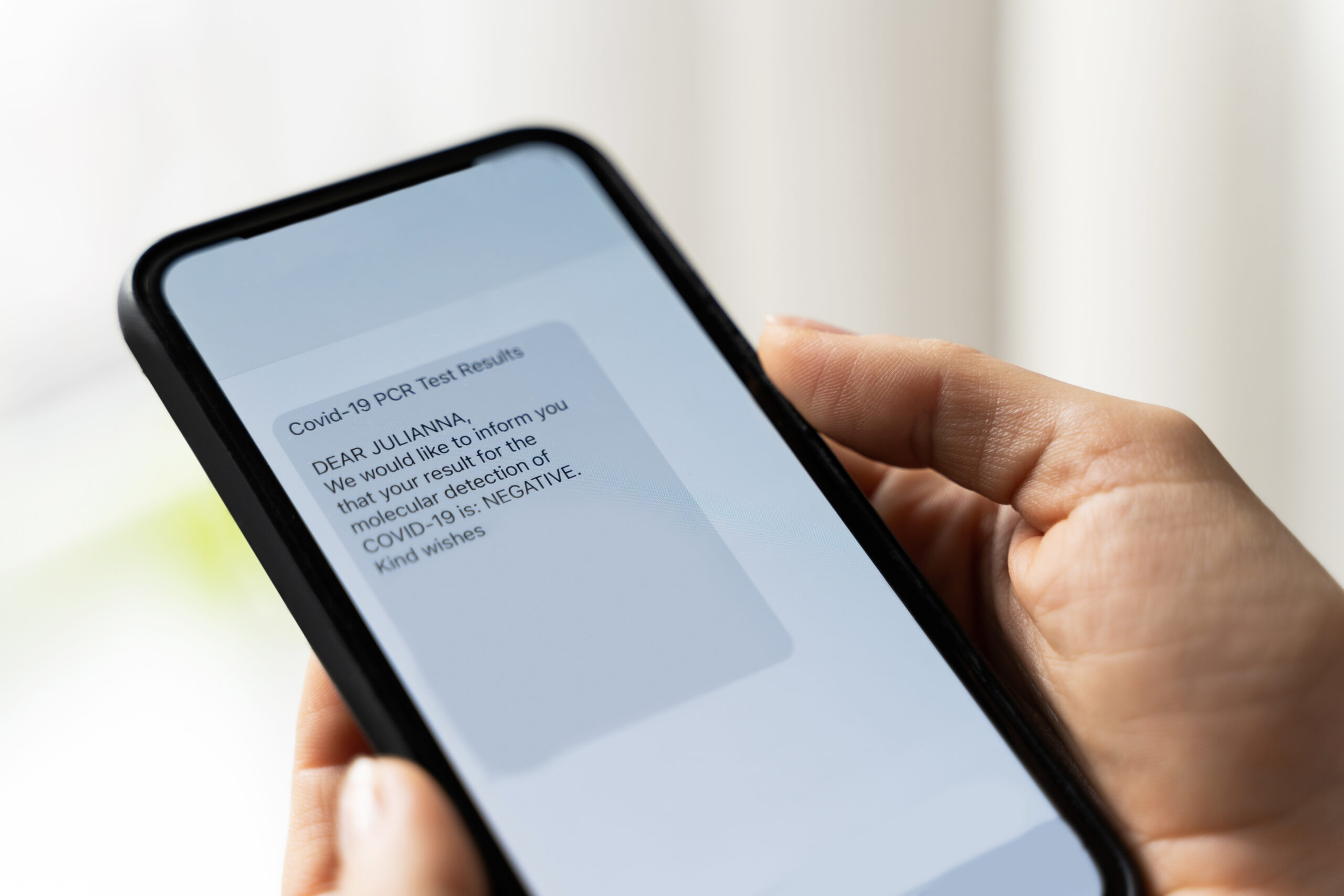
The first few days of a tenancy tell me a lot about how the next year is going to go. A new tenant is learning the house, learning your expectations, and deciding how they should communicate with you. If you leave all of that vague, you will spend the next few months answering questions that could have been handled on day one.
I see small landlords make the same mistake all the time. They hand over the keys, say, “Call me if you need anything,” and assume the lease will cover the rest. Then the tenant texts a maintenance request to a personal number at 10 PM, pays rent the wrong way, or is not sure what counts as an emergency.
Welcome back to “Ask a Property Manager.” Today we are talking about one of the easiest ways to start a tenancy well: the first message you send after move in.

Start With a Real Welcome
The message should sound like it came from a person, not a lease packet. A short welcome is enough. Tell the tenant you are glad they are in the home, that you want communication to be easy, and that you are going to give them the basic information they will need.
I would not lead with late fees, violations, and warnings. There is a place for those things, and most of it is already in the lease. The first message should make the tenant feel organized, not threatened.
Explain How Rent Is Handled
Next, make rent simple. State the due date, the payment method, and where the tenant should go if they have a payment question. If your lease includes a grace period or late fee, refer them back to those lease terms rather than rewriting the whole section in a text message.
The goal is to remove guessing. If rent is paid through a portal, include the correct link or login instructions. If you use another method, spell it out clearly. A tenant should not have to search through an old email thread on the first of the month to remember where rent goes.
Give Maintenance Its Own Lane
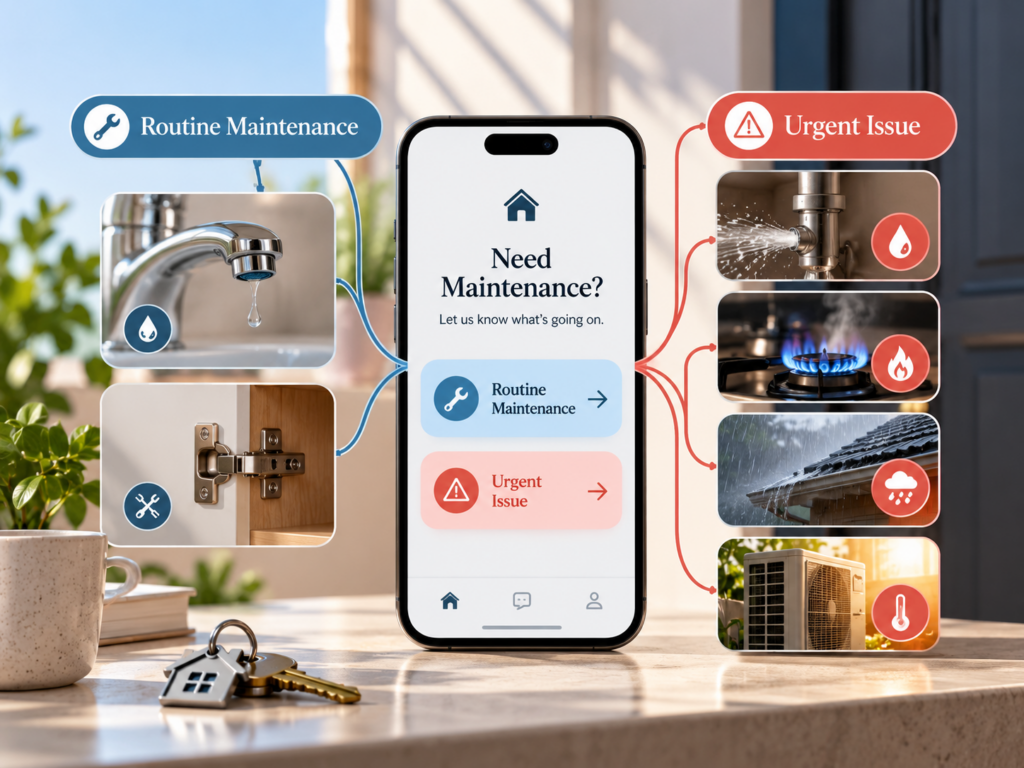
This is the part that saves the most time later. Tell the tenant exactly how routine maintenance should be reported. I prefer a portal, email address, or simple form because it keeps the request in writing and gives you something you can track.
Then explain what you want them to do when something is truly urgent. In San Antonio and South Texas, that might be an active plumbing leak, a strong gas smell, electrical arcing, a roof leak during a storm, or a cooling failure during dangerous summer heat. A slow cabinet hinge or a dripping faucet should follow the regular maintenance process.
You do not need a long emergency policy in the welcome message. You just need enough detail that the tenant knows which number to use and when to use it.
Set Communication Expectations Early
Tell the tenant your normal business hours and how quickly you usually respond. That one sentence prevents a lot of frustration on both sides. If they send a routine question after hours, they know it will be handled during the next business period. If you promise a response within one business day, make sure you can consistently meet that standard.
For landlords with houses spread between San Antonio, New Braunfels, Seguin, or other surrounding areas, I also like to explain that vendors may contact the tenant directly to schedule access. That keeps a plumber or HVAC company from looking like a random caller and makes scheduling easier.
Include the House Specific Details
Finish with the small things that are easy to forget. Trash day, HOA parking rules, irrigation schedules, filter sizes, gate codes, or anything unusual about the property can go here. These are not major lease terms. They are the practical details that help someone settle into a house without calling you five times the first week.
A good welcome message does not need to be long. It needs to answer the questions the tenant is most likely to have and show them how you run the property. Write it once, keep it as a template, and adjust the house specific details for each move in. A clear first message makes the relationship feel organized from the beginning, and that is much easier than trying to create structure after confusion has already started.