



This Content Is Only For Subscribers
Maintenance requests rarely arrive one at a time. A landlord can get a call about a warm outlet, a message about water under a sink, and a complaint about peeling paint all in the same afternoon. The mistake is treating all three as though they belong on the same clock.
Welcome back to Maintenance Matters. A useful repair system does not ignore small problems, but it does put them in order. For San Antonio and South Texas rentals, that matters even more during long heat stretches and storm season, when HVAC technicians, plumbers, roofers, and electricians can all be booked at once.

Priority One: Safety
Anything that could put a tenant in immediate danger moves to the top. Gas odors, active electrical arcing, fire damage, a major security failure, or another condition that could affect health or safety needs prompt attention and the right licensed professional. An air conditioning failure can also become urgent during extreme South Texas heat, especially when indoor conditions create a health concern.
The key is not to argue with the tenant about whether the request sounds serious over the phone. Get enough information to understand the condition, give any safe emergency instruction that applies, and send the appropriate vendor. If there is a suspected gas leak or fire danger, the first step may be emergency services or the utility, not a handyman.
Priority Two: Damage Prevention
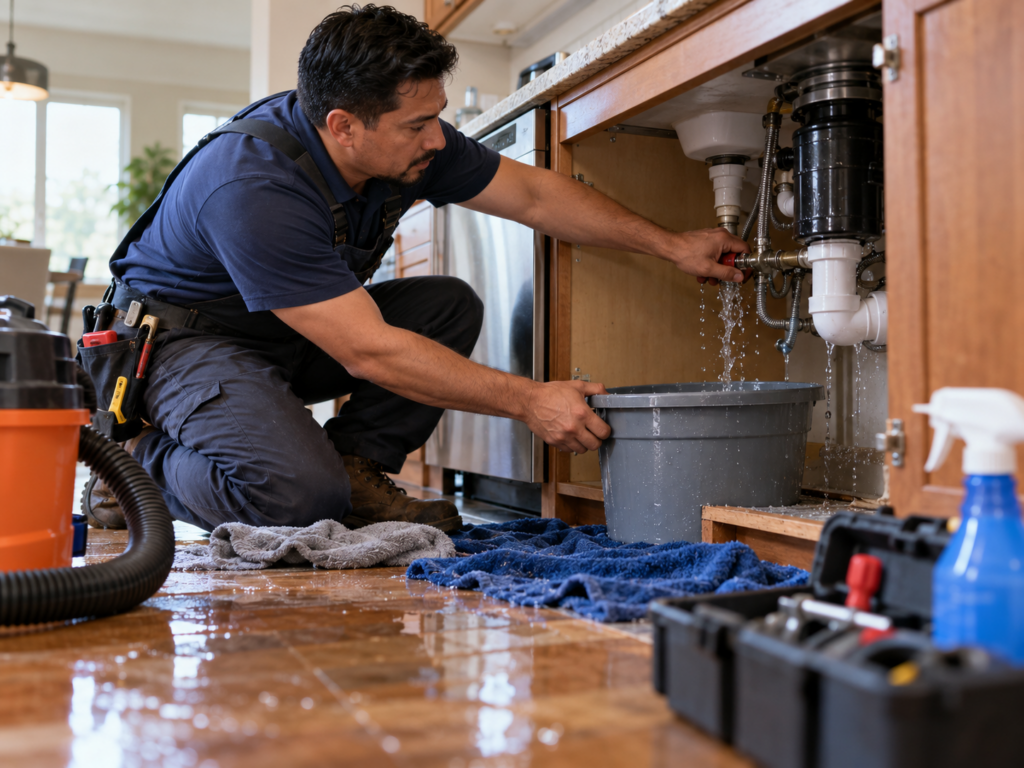
Once immediate safety is covered, protect the house. Active water is the classic example. A leaking supply line, roof leak, overflowing drain, failed water heater, or running toilet can create much more expensive damage if it sits. South Texas thunderstorms can also turn a small roof opening into a much larger interior problem in a single evening.
This is the category where fast communication saves money. A tenant may be able to shut off a fixture valve or the main water supply if they have been shown how and it is safe to do so. That can limit damage while a plumber is on the way. The repair may not require a midnight dispatch in every case, but the source of active damage should not sit on a normal weekly task list.
Priority Three: Comfort and Function
Most routine maintenance falls here. A dishwasher that stopped draining, a ceiling fan that quit, a sticking interior door, a slow bathroom drain, or a garage door opener that needs service may be inconvenient without creating an immediate safety issue or active property damage.
Acknowledge the request, give the tenant a realistic schedule, and use your normal vendor network. During a San Antonio heat wave, even nonemergency HVAC calls can back up quickly, so communication matters. Tenants are usually more patient when they know the request was received, a vendor has been contacted, and they have a reasonable expectation for the next update.
Priority Four: Cosmetic
Cosmetic items still belong in the property record, but they usually do not deserve the same response as a leak or a failed system. Scuffed paint, a worn cabinet finish, a small carpet stain, or another appearance issue may be better handled during a planned repair visit or turnover unless the condition is tied to a larger problem.
The important part is making sure you are truly looking at a cosmetic issue. Peeling paint below a window can be cosmetic, or it can be evidence of water intrusion. A discolored ceiling can be an old stain, or it can be the first sign of an active roof leak. Triage works only when you ask enough questions to understand what is behind the appearance.
A Repair List You Can Defend
A good maintenance list is not first come, first served. It is ordered by risk. Handle safety first, stop conditions that are damaging the property, restore normal function, and then deal with appearance items. That approach keeps the house protected, gives tenants clearer expectations, and makes it much easier to decide where your repair dollars should go when several requests arrive at once.